
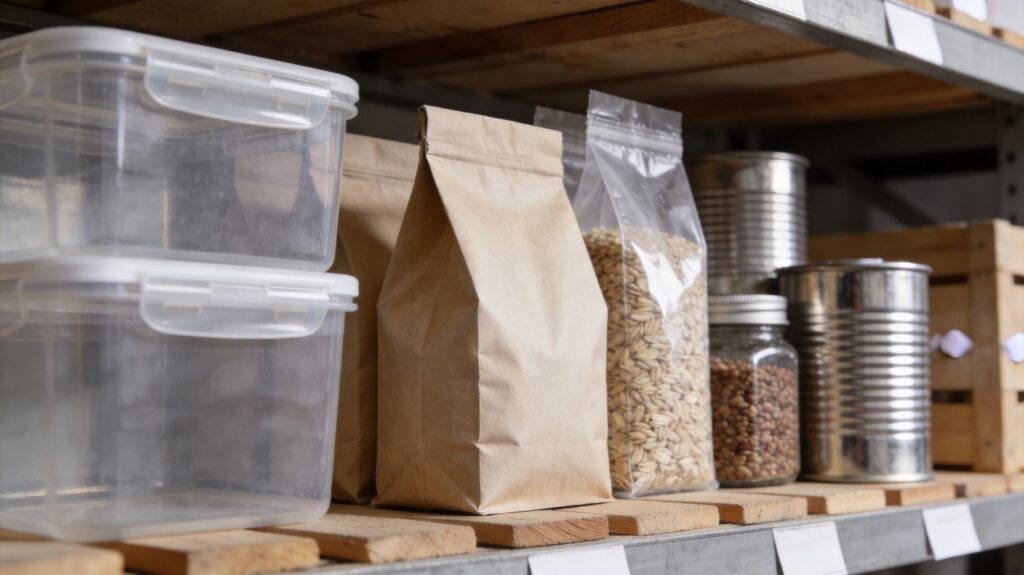
The Importance of Food-Safe Packaging Materials in Bulk Food Packaging
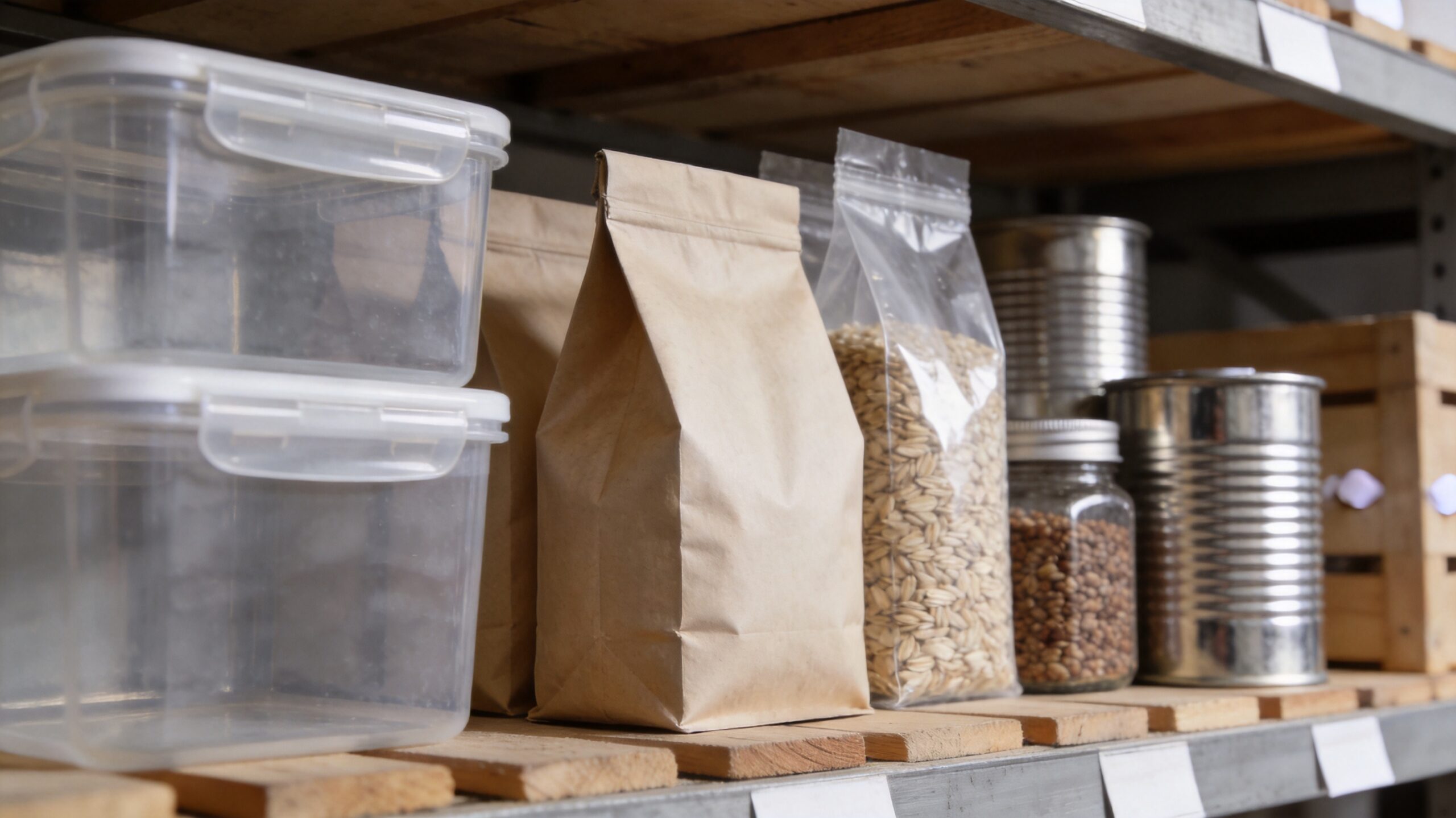
Food-safe packaging materials are crucial in ensuring that food products remain uncontaminated and safe for consumption throughout their shelf life. In the food industry, where health and safety regulations are stringent, the significance of food-safe packaging cannot be overstated. These materials protect food from external contaminants, preserve its quality, and comply with health regulations, thus maintaining consumer trust and brand reputation.
Specifications of Food-Safe Packaging Materials
Food-safe packaging materials must adhere to various regulatory standards and compliance guidelines that differ by region. In the United States, for example, the Food and Drug Administration (FDA) oversees materials that come into contact with food. Ensuring compliance with these regulations is essential to prevent harmful substances from leaching into food products.
Various materials are utilized in food-safe packaging, each possessing unique properties. Common materials include polyethylene, polypropylene, and paperboard. These can be treated to enhance their barrier properties against moisture, oxygen, and light. Such properties are vital for extending the shelf life of food products and preserving their freshness.
Custom Food Packaging Boxes
Custom food packaging boxes present a multitude of benefits, especially in terms of branding and consumer appeal. Customization allows businesses to create packaging that not only fits their product perfectly but also reflects their brand identity. In my experience, this personalized approach significantly enhances consumer recognition and loyalty.
When designing custom food packaging, safety must take precedence. Packaging should be designed to prevent any potential contamination, featuring elements such as tamper-evident seals and moisture barriers. Additionally, the inks and adhesives used should be food-safe to avoid any risk of chemical leaching.
Bulk Food Packaging Options
Bulk packaging solutions are vital for businesses aiming to streamline operations and reduce costs. Various types of bulk packaging options are available, including bulk bins, drums, and flexible pouches. These solutions are ideal for manufacturers, distributors, and retailers who need to handle large quantities of food products efficiently.
One of the primary advantages of bulk packaging is its cost-effectiveness. By minimizing the amount of packaging material used per unit, businesses can significantly lower their overall packaging costs. Moreover, bulk packaging reduces waste and enhances supply chain efficiency, making it a sustainable choice for many companies.
Use Cases for Food-Safe Packaging
Food-safe packaging materials are employed across various food categories, including perishables, dry goods, and frozen products. For instance, vacuum-sealed bags are frequently used for meat products to extend shelf life and prevent spoilage. Similarly, resealable pouches are popular for snacks and dried fruits, allowing consumers to enjoy their products over an extended period.
Several case studies highlight the successful implementation of food-safe packaging. For example, a snack food manufacturer that transitioned to biodegradable packaging observed a notable increase in customer satisfaction and brand loyalty, indicating that consumers are increasingly valuing sustainability alongside safety.
Sourcing Food-Safe Packaging Materials
Finding reliable suppliers for food-safe packaging materials is crucial for any business in the food industry. It’s essential to evaluate potential suppliers based on their compliance with regulatory standards, production capabilities, and material quality. Suppliers should provide documentation that confirms their materials meet food safety regulations, which is vital for maintaining compliance.
Assessing material quality involves reviewing certifications, conducting performance tests, and considering customer feedback. This thorough vetting process ensures businesses receive high-quality packaging materials that align with their safety and functional requirements.
Implementation Strategies
To effectively implement food-safe packaging solutions, businesses should adopt best practices for packaging operations. This includes conducting regular audits of packaging processes, ensuring that all materials comply with food safety regulations, and maintaining a clean and hygienic packaging environment.
Training staff on food safety standards is equally important. Employees should be educated on the significance of food-safe packaging, proper handling practices, and the importance of compliance with regulatory standards. From what I have seen, such training not only enhances product safety but also fosters a culture of quality within the organization.
Frequently Asked Questions
Common concerns about food-safe packaging often revolve around its effectiveness and regulatory compliance. Businesses frequently inquire whether specific materials are suitable for their products and how to ensure they meet regulatory standards. Clarifications on regulations and compliance can be obtained from industry associations and regulatory bodies, which provide valuable resources and guidance.
In conclusion, utilizing food-safe packaging materials in bulk food packaging solutions is essential for ensuring food safety, extending shelf life, and maintaining compliance with regulations. By investing in high-quality, customized packaging solutions, businesses can enhance their operational efficiency and build trust with consumers.