A Beginner’s Guide to Custom Packaging Boxes for Your Business
Custom packaging boxes are essential for businesses aiming to enhance brand identity and improve customer experience. Effective packaging protects products, ensures shipping efficiency, and creates memorable first impressions.
This guide covers the fundamentals of custom packaging boxes and practical steps for implementation. By the end, you’ll be equipped to elevate your brand through strategic packaging choices.
Understanding Custom Packaging Boxes
Custom packaging boxes are designed to hold and protect products while promoting a brand. They significantly impact customer perception, making the difference between a memorable unboxing experience and a forgettable one.
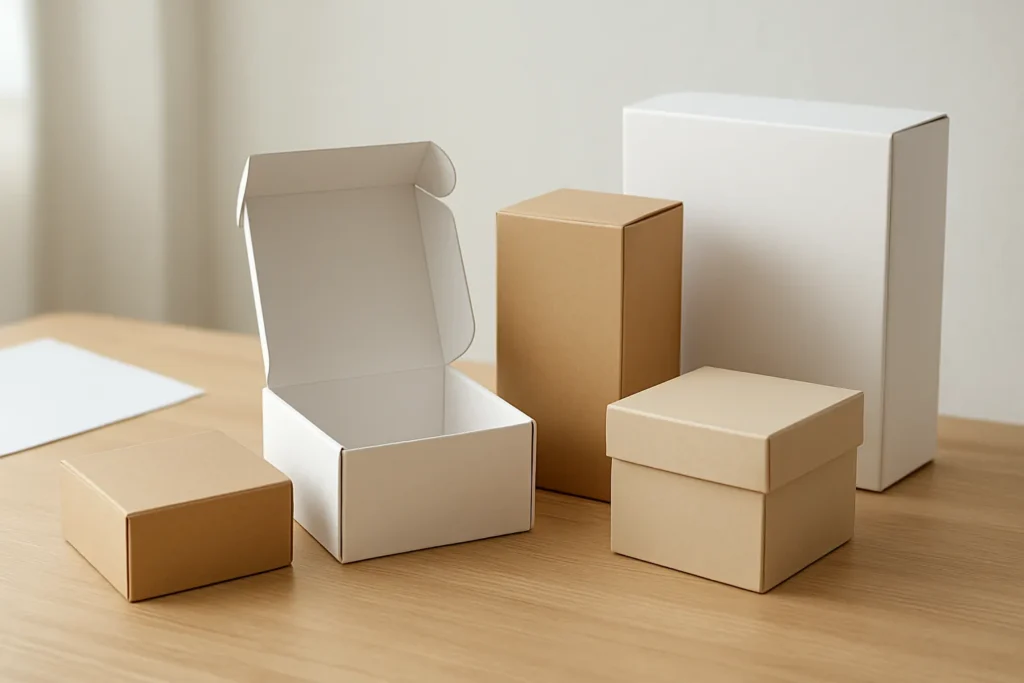
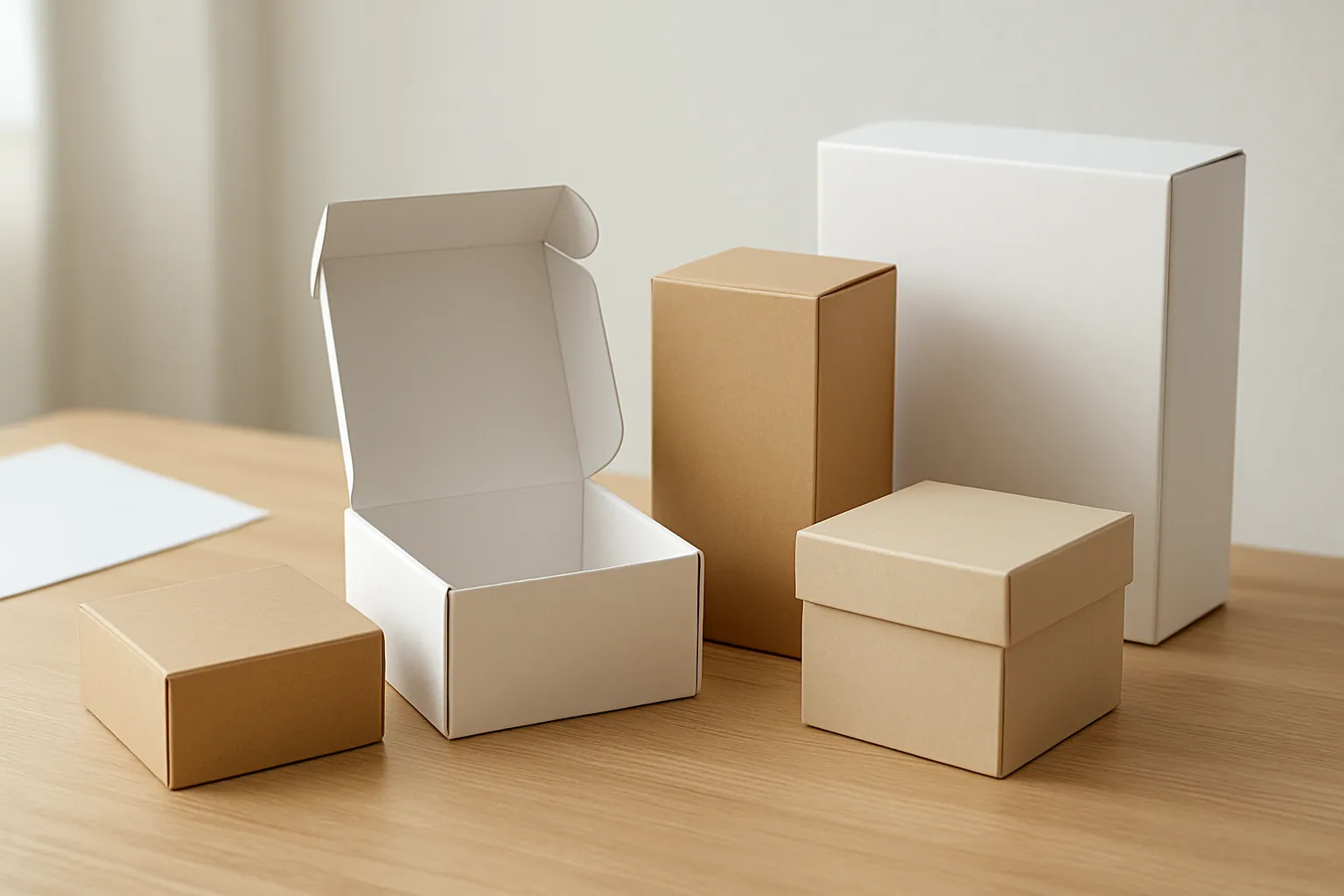
Several materials and designs are available. Cardboard is lightweight and cost-effective, while rigid boxes offer a premium feel. Eco-conscious brands may prefer biodegradable materials like kraft paper.
When designing packaging, consider dimensions, shape, color, and printing options. Custom shapes enhance visual appeal but may increase production costs. Ensure the packaging protects the product and conveys the brand message clearly.
Steps to Implement Custom Packaging Solutions
To implement custom packaging solutions, start with a clear understanding of your product’s requirements. Here’s a step-by-step process:
- Define Your Product Specifications: Measure dimensions and weight accurately to ensure a secure fit.
- Choose Materials Wisely: Select materials based on product nature. Fragile items may need thicker cardboard or cushioning materials.
- Design for Brand Identity: Use colors, logos, and typography that resonate with your audience. A cohesive design impacts customer perception.
- Prototype Testing: Create prototypes to test durability and usability. Gather feedback to refine your design.
- Consider Additional Features: Incorporate elements that enhance the unboxing experience, like custom inserts.
- Budget and Production Scale: Assess your budget against production needs. Bulk orders can reduce costs but ensure consistent quality.
- Compliance with Shipping Regulations: Ensure your packaging meets postal regulations for shipping.
Comparing Custom Packaging Options
When selecting custom packaging boxes, compare available options:
1. Regular Slotted Containers (RSC) Advantages: Cost-effective and easy to assemble. Customizable in various sizes. Disadvantages: May not provide high protection for fragile items.
2. Die-Cut Boxes Advantages: Designed for specific shapes, enhancing branding. Disadvantages: Higher initial setup costs and longer lead times.
3. Folding Cartons Advantages: Lightweight with intricate graphics. Great for retail products. Disadvantages: Less sturdy for heavy items.
4. Rigid Boxes Advantages: Premium protection and luxurious feel. Ideal for high-end products. Disadvantages: More expensive and not foldable for shipping.
5. Mailer Boxes Advantages: Good protection for shipping. Easy to assemble.
Common Mistakes to Avoid When Choosing Custom Packaging
Businesses often make common mistakes that undermine branding and efficiency:
- Overlooking Material Quality: Using subpar materials can compromise product integrity.
- Neglecting Target Audience: Packaging should resonate with customer preferences.
- Underestimating Size and Design: Improper sizing can lead to wasted space or damaged goods.
To avoid these mistakes:
- Conduct Material Testing: Request samples to ensure quality.
- Engage with Customers: Gather feedback to understand packaging preferences.
- Prototype Designs: Test sizes and materials early in the process.
- Review Cost Implications: Analyze long-term benefits of quality packaging.
常见问题 FAQ
What are the benefits of using custom packaging boxes?
Cost Considerations: Prices vary based on materials and design complexity. Request quotes from multiple suppliers.
Lead Times: Custom packaging typically requires longer lead times than off-the-shelf options. Expect timelines from weeks to months.
Sustainability Options: Look for suppliers offering eco-friendly materials. Research certifications that demonstrate commitment to sustainability.
Common Mistakes to Avoid: Always test prototypes before large orders. Tailor packaging to specific product needs.
Custom packaging boxes enhance brand recognition, provide better product protection, and improve customer experience.
How much do custom packaging boxes typically cost?
Costs vary based on materials, design, and order quantity. Consult manufacturers for quotes.
What materials are best for custom packaging?
Common materials include cardboard, kraft paper, and plastic, depending on product type and branding needs.
How can I ensure my custom packaging is sustainable?
Look for recyclable or biodegradable materials and check if the manufacturer follows eco-friendly practices.
What is the typical lead time for custom packaging orders?
Lead times can range from a few days to several weeks, depending on design complexity and order size.